

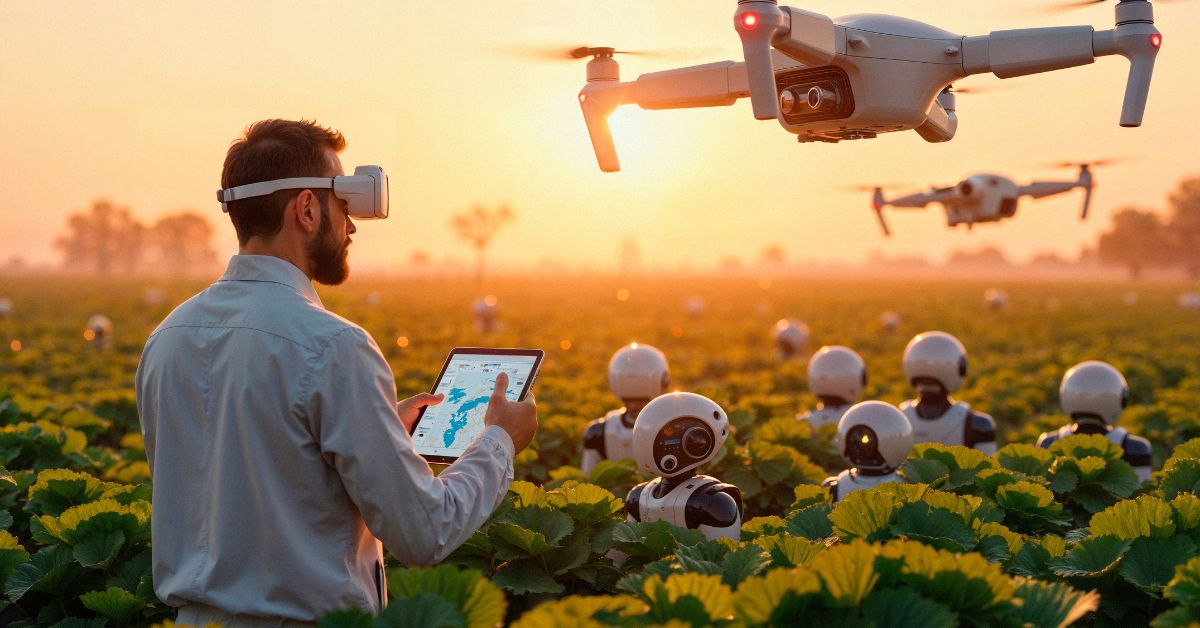
Traditional farming built food systems that sustained communities for generations. Farmers relied on observation, seasonal patterns, and inherited knowledge to manage crops and livestock successfully. However, climate volatility, rising production costs, labor shortages, and market competition now demand smarter systems. When farmers integrate modern technology into traditional practices, they strengthen productivity, protect natural resources, and secure long-term profitability. In this guide, I explain how to integrate technology with traditional farming using practical frameworks, measurable strategies, and real-world agricultural insights.
Understanding Why Traditional Farming Needs Technology
Traditional farming methods emphasize soil knowledge, crop rotation, seed preservation, and water conservation techniques passed down through generations. These practices remain valuable today. However, unpredictable rainfall patterns, pest outbreaks, and fluctuating commodity prices create risks that manual observation alone cannot fully manage. According to the Food and Agriculture Organization, small-scale farms contribute significantly to global food production, yet they face disproportionate vulnerability to climate and economic disruptions.
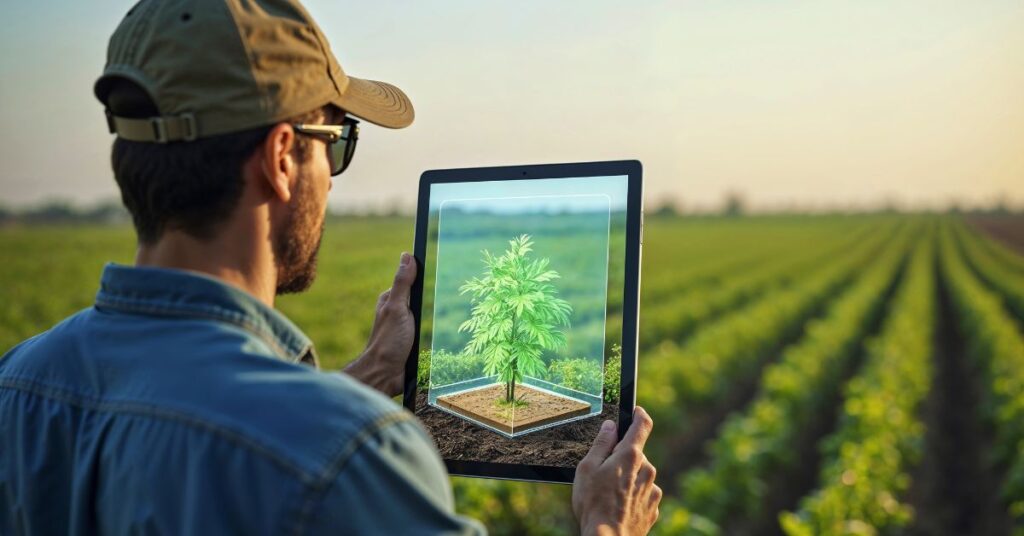
Technology enhances decision-making by adding data precision to traditional wisdom. When farmers access soil moisture readings, weather forecasts, and yield analytics in real time, they reduce uncertainty. Instead of replacing experience, technology strengthens it by providing measurable validation.
Read for more info: https://technologycougar.com/technology-executive/
Key Challenges Facing Traditional Farmers
Farmers across rural regions consistently report similar operational challenges:
• Water scarcity and inefficient irrigation practices
• Labor shortages and rising wage costs
• Limited access to transparent markets
• Crop diseases spreading before detection
• Rising fertilizer and fuel prices
• Climate unpredictability affecting planting cycles
Technology addresses these pain points systematically by improving efficiency and reducing waste.
Core Technologies That Transform Traditional Farming
Modern agricultural tools vary in complexity and cost, but farmers can adopt them gradually based on scale and readiness.
Precision Agriculture and GPS Systems
Precision agriculture relies on GPS-guided machinery and field-level data mapping. Companies such as John Deere manufacture tractors equipped with automated steering and yield monitoring systems. These tools improve planting accuracy, reduce overlap during spraying, and optimize fertilizer distribution. Farmers apply inputs only where necessary, which lowers costs and improves environmental sustainability.
IoT and Smart Sensors
Internet of Things devices connect farm fields to digital dashboards. Soil moisture sensors monitor water levels continuously and trigger automated irrigation when required. Livestock tracking devices monitor health indicators and location. Farmers receive alerts through mobile applications, enabling proactive decisions rather than reactive responses.
Drones and Satellite Imaging
Drone technology allows farmers to survey large fields quickly. Aerial imaging detects pest infestations, nutrient deficiencies, and uneven crop growth. Satellite-based remote sensing provides broader environmental monitoring, helping farmers plan interventions before damage spreads.
Artificial Intelligence and Predictive Analytics
Artificial intelligence systems analyze historical crop data, soil conditions, and weather forecasts to predict yield outcomes. Organizations such as the World Bank promote digital agriculture initiatives that integrate predictive modeling into rural development programs. AI improves planting schedules, disease detection, and harvest forecasting accuracy.
Renewable Energy Integration
Solar irrigation pumps and biogas digesters reduce energy dependency and operational expenses. Renewable systems provide consistent energy supply in off-grid areas and reduce carbon emissions.
Step-by-Step Framework to Integrate Technology with Traditional Farming
Successful integration requires structure and planning rather than impulsive investment.
Step 1: Assess Farm Readiness
Evaluate soil quality, water access, electricity availability, internet connectivity, and financial capacity. Identify operational inefficiencies and prioritize improvements with the highest return potential.
Step 2: Select High-Impact Technologies
Choose tools that align with farm size and crop type. A small vegetable farm may prioritize drip irrigation and mobile management apps, while a large grain farm may invest in GPS-guided equipment and drone analytics.
Step 3: Train and Build Skills
Farmers must understand how to interpret data effectively. Conduct workshops, collaborate with agricultural extension officers, and encourage peer learning communities.
Step 4: Implement in Phases
Start with pilot projects. Test technology on one field section before scaling. Measure results carefully and adjust accordingly.
Step 5: Monitor, Optimize, and Scale
Track yield performance, water consumption, and cost savings. Expand technology across operations once you confirm measurable improvements.
Agricultural Digital Adoption Index (ADAI)
To evaluate integration progress, I introduce the Agricultural Digital Adoption Index (ADAI), a structured maturity model that measures five pillars: infrastructure readiness, data utilization, automation level, sustainability impact, and skill competency.
Stage | Infrastructure | Data Usage | Automation Level | Sustainability Impact | Skill Competency
Traditional | Manual systems, no connectivity | No structured records | Fully manual irrigation and planting | High chemical and water use | Basic farming knowledge
Assisted | Basic internet or mobile access | Digital record keeping | Partial mechanization | Initial water-saving methods | Basic digital familiarity
Digitally Enabled | Stable connectivity and sensors | Regular analytics use | Automated irrigation systems | Reduced fertilizer waste | Trained operators
Smart Farm | Integrated IoT ecosystem | Predictive dashboards | GPS machinery and drone support | Renewable energy integration | Data-driven decision making
Autonomous Integrated | Cloud-connected systems | Real-time AI modeling | Autonomous machinery | Carbon footprint tracking | Advanced technical expertise
Farmers can score each pillar from 1 to 5 and calculate their overall maturity level. This framework encourages gradual, sustainable progress rather than overwhelming transformation.
Economic and Environmental Impact of Integration
Technology requires upfront capital, but it delivers long-term financial stability. Precision irrigation reduces water consumption by up to 30 percent while maintaining crop health. GPS-guided fertilization reduces chemical use and lowers input costs. Farmers often recover initial investment within two to three growing seasons.
Environmental benefits remain equally significant. Smart irrigation conserves groundwater reserves. Targeted pesticide application reduces soil contamination. Renewable energy adoption lowers carbon emissions. These improvements align with global sustainability goals while strengthening farm profitability.
Case Study: Small-Scale Farm Digital Transformation
Consider a five-acre vegetable farm that integrated soil moisture sensors and a mobile farm management application. Before integration, the farm relied on manual irrigation and estimated fertilizer application. After implementing sensor-based irrigation, the farmer reduced water usage by 28 percent within one season. Crop yield increased by 18 percent due to consistent moisture control. The farmer recovered technology costs within 18 months while improving soil health.
This example demonstrates that even small-scale farmers can achieve measurable improvements through strategic integration.

Policy and Funding Support
Governments and development agencies encourage agricultural modernization through subsidies and grants. Public-private partnerships help reduce equipment costs and expand training programs. Farmers should research available agricultural digitization programs in their region and apply proactively.
However, developing regions still face infrastructure gaps. Limited internet connectivity and high equipment costs slow adoption. Mobile-based platforms and affordable sensor kits now bridge these gaps, enabling incremental integration.
Future Trends in Smart Farming
Autonomous tractors will reduce labor dependency. Blockchain systems will improve supply chain transparency. Climate-adaptive analytics will optimize crop selection based on predictive weather modeling. Smart greenhouses will control humidity, temperature, and nutrient delivery automatically. Farmers who begin integration today will adapt more easily to these future advancements.
Frequently Asked Questions
Is technology integration suitable for small farms?
Yes. Small farms can start with low-cost tools such as drip irrigation systems, soil sensors, and mobile farm apps. Gradual scaling ensures affordability.
Will technology replace traditional farming practices?
No. Technology strengthens traditional practices by adding precision and data-driven validation.
How long does it take to see results?
Most farms observe measurable improvements within one or two growing cycles, particularly in water efficiency and yield consistency.
What is the biggest risk of adoption?
The biggest risk lies in poor planning and insufficient training. Farmers must assess readiness and implement gradually.
Conclusion
Integrating technology with traditional farming strengthens resilience, improves productivity, and enhances sustainability. Farmers who combine generational wisdom with precision tools create efficient and climate-resilient systems. By following a structured framework, evaluating readiness carefully, and scaling gradually, farms can achieve measurable economic and environmental benefits. Smart farming does not replace tradition; it elevates it into a sustainable model for the future of agriculture.
