
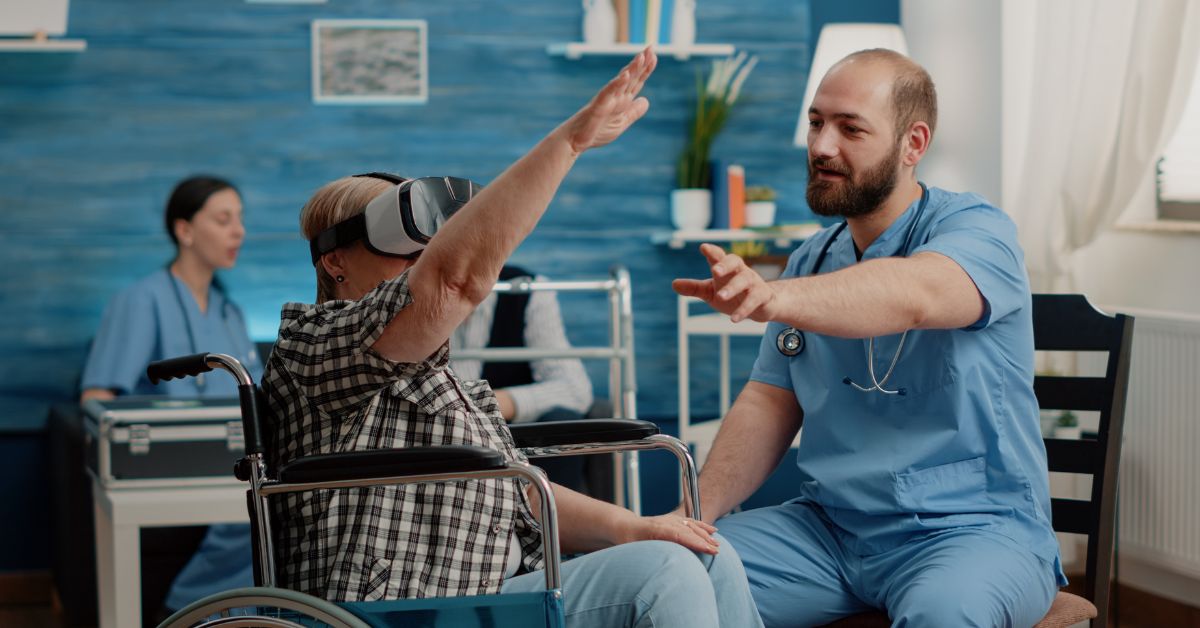
Healthcare systems across the world are redesigning care delivery, and technology now drives that transformation. Leaders no longer view the home as a passive recovery space. They now treat it as an extension of the clinical environment. As global populations age and chronic diseases rise, institutions align digital infrastructure, AI-driven analytics, and connected medical devices to shift care from hospitals to homes. Organizations such as the World Health Organization highlight aging population trends that increase long-term care demands, while regulatory bodies like the Centers for Medicare & Medicaid Services expand telehealth reimbursement models. Together, these shifts accelerate how future healthcare technology is elevating at-home care.
Healthcare executives, clinicians, and digital health innovators now prioritize scalable, data-secure, patient-centered solutions. Instead of reacting to illness inside hospital walls, providers proactively monitor patients remotely, detect risks earlier, and intervene before complications escalate. This transition does not simply reduce costs. It improves outcomes, increases patient satisfaction, and strengthens health system resilience.
The Shift from Hospital-Centric to Home-Centric Care
Healthcare systems once centralized advanced diagnostics, monitoring, and specialist oversight within hospitals. Today, they redistribute those capabilities through connected ecosystems that operate inside patients’ homes. Rising hospitalization costs, workforce shortages, and chronic disease burdens force leaders to rethink care models. Patients also demand convenience, safety, and personalized experiences.
Governments and insurers recognize that hospital admissions remain one of the largest cost drivers. When providers deploy remote monitoring systems and structured home-care programs, they reduce avoidable readmissions and emergency visits. Institutions such as Mayo Clinic and Cleveland Clinic actively implement virtual care programs that combine telehealth consultations with real-time data tracking.
Healthcare technology now supports:
- Continuous monitoring instead of episodic visits
- Early risk detection using predictive analytics
- Personalized treatment adjustments based on live data
- Cost optimization through reduced inpatient stays
This transition marks a structural redesign of care delivery rather than a temporary innovation trend.
Read for more info: https://technologycougar.com/cloud-network-technology-singapore-pte-ltd/
Core Technologies Transforming At-Home Healthcare
Technology transforming at-home patient care operates through integrated digital layers rather than isolated tools. Providers combine devices, connectivity, analytics, and clinical workflows to create safe and scalable ecosystems.
Remote Patient Monitoring (RPM) Systems
Remote patient monitoring technology forms the backbone of modern home healthcare. Biosensors, wearable ECG monitors, smart glucose meters, and connected blood pressure cuffs transmit real-time physiological data to centralized dashboards. Clinicians analyze this information continuously instead of waiting for periodic appointments.
RPM platforms enable chronic disease management for cardiac patients, diabetics, and individuals with respiratory conditions. These systems reduce hospital readmissions and strengthen patient engagement by keeping individuals actively involved in their own health metrics.
Artificial Intelligence & Predictive Analytics
AI in home healthcare elevates monitoring from reactive to predictive. Machine learning models analyze trends in heart rate variability, oxygen saturation, and glucose levels to detect early signs of deterioration. Instead of waiting for symptoms, clinicians receive alerts based on predictive risk scoring.
AI-powered triage tools also prioritize patient outreach. When systems detect anomalies, care teams intervene quickly through teleconsultations or medication adjustments. This intelligence layer increases efficiency while reducing clinician burnout.
Telehealth & Virtual Care Platforms
Telehealth innovation trends reshape how providers deliver consultations. Secure, HIPAA-compliant platforms allow physicians to conduct virtual visits, prescribe medications, and coordinate multidisciplinary teams. The U.S. Food and Drug Administration continues to refine digital health approval pathways, ensuring safety and compliance for remote diagnostic technologies.
Telehealth reduces travel barriers and increases access for rural populations. It also supports value-based care models that reward preventive engagement over episodic treatment.
Robotics & Assistive Technologies
Robotics and assistive technologies now support medication management, mobility, and daily living activities. Automated dispensers reduce dosing errors, while AI-driven companion systems monitor patient adherence and provide reminders. These tools enhance independence for elderly patients and reduce caregiver strain.
Hospital-at-Home Models — A Disruptive Care Framework
The hospital-at-home care model represents one of the most significant transformations in healthcare delivery. Instead of admitting eligible patients to inpatient wards, providers deploy advanced monitoring kits and virtual oversight systems directly to their homes. Clinicians track vitals continuously and conduct scheduled tele-rounds.
The following table outlines how hospital-based care compares to hospital-at-home programs:
| Dimension | Traditional Hospital Care | Hospital-at-Home Model |
| Care Setting | Inpatient facility | Patient residence |
| Monitoring | Intermittent bedside checks | Continuous RPM systems |
| Infection Risk | Higher exposure risk | Reduced exposure |
| Cost Structure | High overhead and facility costs | Lower infrastructure costs |
| Patient Experience | Institutional environment | Familiar home setting |
| Length of Stay | Often extended | Optimized with predictive discharge |
| Care Team Coordination | On-site team only | Hybrid virtual + in-home team |
| Readmission Risk | Moderate to high | Reduced with proactive monitoring |
| Technology Use | Facility-based systems | Integrated IoMT + AI analytics |
| Scalability | Limited by bed capacity | Scalable through digital infrastructure |
Hospital-at-home programs demonstrate measurable improvements in patient satisfaction and reductions in avoidable complications. By aligning predictive analytics, device ecosystems, and reimbursement structures, organizations achieve both quality and efficiency gains.
The 5-Layer Home Care Technology Stack Model
To implement scalable home healthcare systems, providers must adopt a structured framework. The 5-Layer Home Care Technology Stack Model ensures integration across clinical, technical, and governance domains.
First, the Device Layer includes IoMT-enabled sensors, wearables, and smart devices. Second, the Connectivity Layer ensures secure data transmission through broadband, 5G, and edge computing. Third, the Intelligence Layer processes data using AI analytics and predictive models. Fourth, the Clinical Oversight Layer integrates dashboards, teleconsultations, and coordinated care teams. Finally, the Governance & Compliance Layer enforces encryption, privacy safeguards, and regulatory alignment.
Organizations that design their home-care strategies using this layered approach avoid fragmentation and ensure long-term scalability.

Case Study Insights: Real-World Implementation
Healthcare systems implementing remote cardiac monitoring report significant reductions in readmissions within 30 days of discharge. Chronic diabetes programs leveraging AI-driven glucose tracking demonstrate improved adherence and stabilized A1C levels. Post-surgical monitoring initiatives reduce complications by detecting anomalies before symptoms escalate.
These implementations show that success depends not only on technology adoption but also on workflow integration, clinician training, and patient education. Leaders who treat technology as an operational strategy rather than a gadget achieve stronger returns on investment.
Regulatory & Ethical Risk Assessment
Future healthcare technology must align with strict compliance frameworks. Providers must protect patient data under HIPAA guidelines, implement strong encryption standards, and ensure AI transparency. The FDA regulates digital therapeutics and connected devices to maintain safety standards.
Ethical considerations also shape adoption. AI bias mitigation strategies must ensure equitable treatment across demographic groups. Cross-border telemedicine programs must comply with varying jurisdictional laws. Healthcare leaders who embed compliance into their digital architecture build trust and long-term sustainability.
Frequently Asked Questions
Is hospital-at-home as safe as inpatient care?
When providers carefully select eligible patients and implement continuous monitoring systems, hospital-at-home programs demonstrate comparable safety outcomes with lower infection risks.
How secure is AI-driven home monitoring?
Organizations protect patient data through encryption, secure cloud environments, and strict access controls. Regulatory oversight ensures compliance with privacy laws.
What infrastructure supports scalable home healthcare?
Scalable systems require IoMT devices, reliable connectivity, AI analytics engines, trained clinical oversight teams, and strong governance frameworks.
Can future healthcare technology reduce inequality?
Yes. Telehealth and remote monitoring increase access for rural and underserved populations when supported by broadband expansion policies.
What role does AI play in chronic disease management?
AI analyzes trends, predicts deterioration, prioritizes interventions, and supports personalized treatment adjustments.
Conclusion
Future healthcare technology is elevating at-home care by transforming residences into connected, intelligent care environments. Remote patient monitoring, AI analytics, telehealth platforms, and hospital-at-home models now redefine how providers deliver services. Leading institutions and regulatory bodies support this shift through reimbursement expansion and digital health oversight.
Healthcare leaders who integrate structured technology stacks, compliance safeguards, and predictive analytics position their organizations for sustainable growth. At-home care no longer represents an alternative to hospital care. It represents the next evolution of modern healthcare delivery.
