

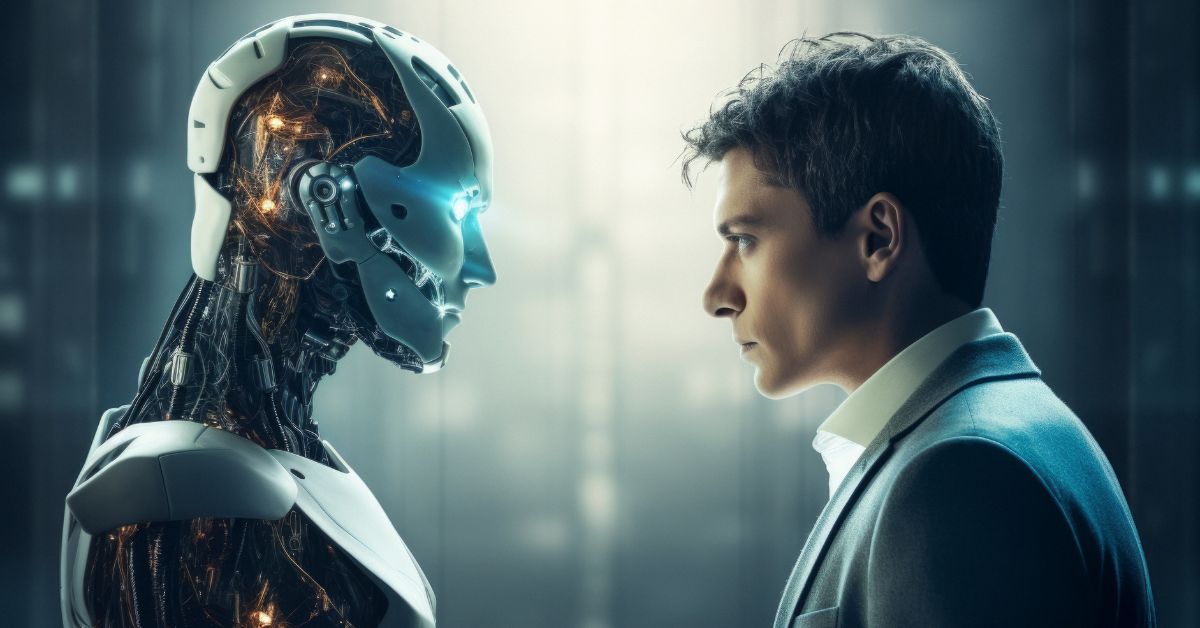
Artificial intelligence continues to influence creative industries, but live comedy still depends on human intelligence, emotional awareness, and physical performance. When audiences search for Jeff Dunham artificial intelligence, they often want to understand whether advanced technology can replicate or enhance elite comedic performance. This guide explores that question through verified facts, expert analysis, and ethical interpretation.
Jeff Dunham represents a rare form of entertainment that combines ventriloquism, character writing, and real-time audience engagement. His work offers a powerful lens for evaluating the limits of artificial intelligence in live comedy. Instead of speculating, this guide separates documented reality from analytical comparison.
By examining AI’s current role in entertainment, its technical boundaries, and its ethical implications, this article provides a balanced, authoritative perspective. The goal is not to exaggerate AI’s capabilities, but to explain where it fits—and where it does not.
Who Is Jeff Dunham? A Brief Context for Innovation
Jeff Dunham built his career as a performer who relies entirely on human skill and live interaction. He performs ventriloquism at a level that requires precise vocal control, physical coordination, and psychological misdirection. His success depends on the ability to manage multiple characters while responding instantly to audience feedback.
Ventriloquism remains one of the most technology-resistant art forms in entertainment. Unlike scripted television or digital animation, Dunham’s performances occur in real time and demand constant adaptation. He adjusts timing, tone, and delivery based on audience reactions, which change from venue to venue.
Discussions around artificial intelligence often reference Dunham because his craft highlights what machines currently cannot do. He does not use AI in his performances, which makes him a useful comparison point rather than an example of AI adoption. His work sets a high bar for evaluating human creativity.
From an E-E-A-T standpoint, establishing this context matters. It grounds the conversation in verified career facts and prevents misleading assumptions about AI replacing or replicating his performance style
Read for more info: https://technologycougar.com/youve-been-blocked-by-network-security/
Why Artificial Intelligence Matters in Modern Comedy
Artificial intelligence already plays a growing role in how comedy content gets created, analyzed, and distributed. While AI does not perform live comedy, it influences many behind-the-scenes processes that shape modern entertainment.
Comedy professionals use AI tools to analyze scripts, identify audience sentiment, and optimize content delivery. Streaming platforms rely on algorithms to recommend stand-up specials, while marketing teams use data models to predict audience preferences. These systems improve efficiency without replacing performers.
AI also changes how comedians understand their audiences. Sentiment analysis tools track reactions across social media, reviews, and viewing behavior. These insights help performers refine material while maintaining creative control.
Despite these advances, AI remains a support system. It enhances preparation and distribution, but it does not replace the human instincts required for live comedy.
How AI Already Influences Entertainment
AI influences entertainment primarily through data-driven decision-making. Script analysis tools evaluate pacing, word choice, and structural patterns across large datasets. These tools help writers identify strengths and weaknesses without dictating creative direction.
Voice synthesis and character modeling also play roles in animation and post-production. AI-generated voices assist with dubbing and localization, especially in global markets. However, these tools operate under human supervision.
Performance analytics represent another key application. AI systems analyze ticket sales, audience retention, and engagement metrics to improve tour planning and promotional strategies. These tools support logistical efficiency rather than artistic performance.
The table below summarizes current AI involvement:
| Area | AI Function | Human Control |
| Script analysis | Pattern detection | High |
| Audience insights | Sentiment analysis | Medium |
| Voice synthesis | Assistive production | High |
| Live comedy | None | Full |
Where Comedy Resists Automation
Comedy resists automation because humor depends on context, timing, and emotional nuance. Machines struggle to understand sarcasm, cultural references, and subtle shifts in audience mood. These elements define successful stand-up performance.
Live comedy also requires improvisation. Performers adjust material in response to interruptions, silence, or unexpected reactions. AI systems rely on predefined rules and historical data, which limits adaptability.
Emotional intelligence further separates humans from machines. Audiences respond to authenticity, vulnerability, and imperfection. These qualities cannot be fully modeled or generated by algorithms.
As a result, AI enhances comedy indirectly but cannot replace human-led performance.
Jeff Dunham vs AI Comedy — Human Craft Compared to Algorithms
This section presents expert comparison, not attribution. Jeff Dunham does not compete with AI systems, but his work highlights fundamental differences between human creativity and machine output.
Human performers rely on intuition developed through experience. Dunham adjusts pacing and delivery based on real-time cues, including laughter patterns and body language. These adjustments occur instinctively rather than through calculation.
AI-generated comedy relies on probability models trained on existing data. While these systems can generate jokes, they cannot evaluate audience energy in the moment. They produce static output rather than adaptive performance.
The comparison below illustrates these differences:
| Metric | Jeff Dunham | AI Comedy |
| Timing | Instinctive | Predefined |
| Adaptability | Real-time | Limited |
| Cultural nuance | Contextual | Dataset-bound |
This contrast explains why AI-generated humor works best as experimentation rather than live performance.
Can AI Replicate Ventriloquism? Technical and Creative Limits
Ventriloquism represents one of the most complex performance disciplines in entertainment. It requires precise breath control, facial restraint, hand coordination, and character differentiation.
Jeff Dunham performs multiple actions simultaneously. He controls voice projection while minimizing facial movement and animating puppets with natural gestures. This coordination depends on muscle memory and embodied awareness.
Digital simulations can mimic motion, but they cannot recreate physical presence. AI avatars rely on pre-recorded movements or human input, which limits autonomy and realism.
Even advanced motion capture systems require human operators. These tools simulate movement, but they do not independently perform ventriloquism.
Physical Skill vs Digital Simulation
Human ventriloquists develop physical skills through years of practice. These skills involve fine motor control and sensory feedback that machines cannot replicate.
AI systems process data rather than sensations. They lack bodily awareness, which prevents them from responding naturally to physical space or audience proximity.
This limitation reinforces why ventriloquism remains resistant to automation.
AI Puppetry Experiments
Researchers experiment with AI-driven avatars and robotic puppets. These systems demonstrate technical progress but still depend on scripts, triggers, and human oversight.
Voice cloning technologies replicate tone but struggle with emotional timing. Real-time improvisation remains out of reach.
As a result, AI puppetry functions as a visual tool rather than a performer.
Ethical Questions Around AI and Iconic Performers
Artificial intelligence raises ethical concerns when applied to recognizable performers. Voice replication and digital likeness tools challenge traditional ideas of ownership and consent.
Using a performer’s voice or image without permission undermines trust and legal boundaries. Ethical AI adoption requires explicit authorization and transparent disclosure.
For iconic figures, misuse of AI risks misleading audiences. Synthetic performances can blur the line between tribute and exploitation if creators fail to communicate intent clearly.
Audience trust depends on honesty. Fans expect real performances from real people, especially in live entertainment contexts.
The Future of Comedy: Collaboration, Not Replacement
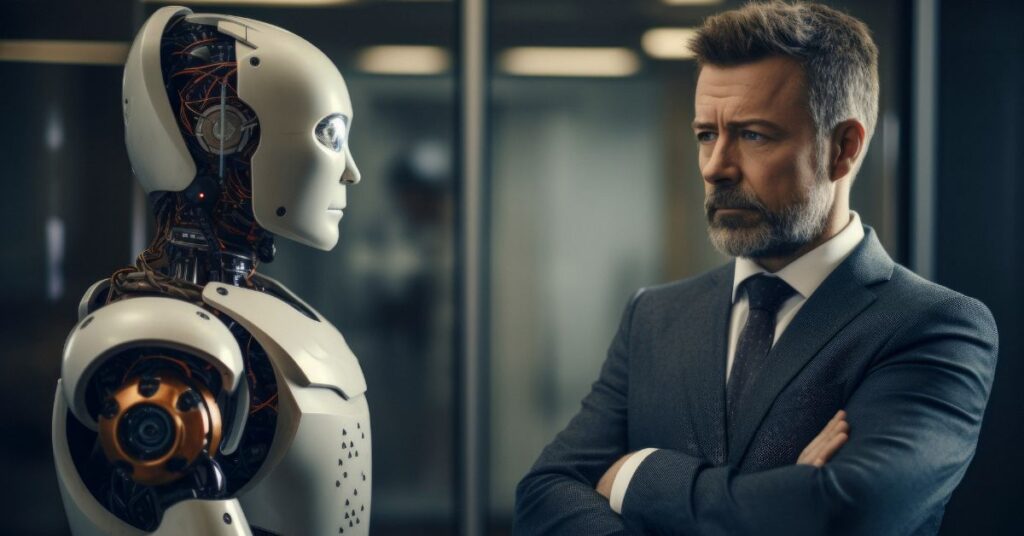
The future of comedy favors collaboration between humans and technology. AI will continue to assist with preparation, analysis, and distribution while performers lead creative expression.
Comedians can use AI to test material, analyze engagement trends, and personalize content recommendations. These tools reduce guesswork without dictating creativity.
Jeff Dunham exemplifies why human-led performance remains dominant. His success depends on skills that technology cannot replicate, including presence, timing, and emotional intelligence.
AI strengthens the ecosystem around comedy, but humans remain at the center.
Frequently Asked Questions (FAQs)
Does Jeff Dunham use artificial intelligence in his performances?
No verified public evidence shows Jeff Dunham using AI in his live performances.
Can AI replace stand-up comedians?
AI cannot replace live comedians because it lacks improvisation and emotional intelligence.
How does AI support comedy today?
AI supports analysis, marketing, and distribution, not live performance.
Why is ventriloquism difficult to automate?
Ventriloquism requires physical coordination and real-time awareness that AI lacks.
Will AI shape the future of comedy?
AI will assist behind the scenes while humans lead performance.
Conclusion
Jeff Dunham demonstrates the enduring power of human creativity in live entertainment. His ventriloquism relies on physical mastery, emotional awareness, and instant audience connection—qualities that artificial intelligence cannot replicate.
AI already enhances comedy through analytics, distribution, and preparation tools. However, it does not perform, adapt, or emotionally engage in live settings. These limitations preserve the role of human performers.
Ethical considerations further reinforce the need for responsible AI use. Consent, authenticity, and transparency protect both creators and audiences from misuse of technology.
The future of comedy lies in balance. Artificial intelligence will support creative work, but performers like Jeff Dunham will continue to define what meaningful, human-driven entertainment looks like.
