


Understanding Toys Technology
What Defines Technology-Driven Toys
Toys technology refers to play products that integrate software, sensors, artificial intelligence, robotics, augmented reality, or internet connectivity to enhance learning and interaction. Unlike traditional electronic toys that simply produce sounds or lights, modern technology toys for kids respond, adapt, analyze, and sometimes even learn from user behavior. Smart toys and interactive learning platforms process inputs through embedded chips, connect to cloud systems, and deliver personalized feedback. This transformation shifts toys from passive entertainment objects to dynamic educational tools that actively shape cognitive development.
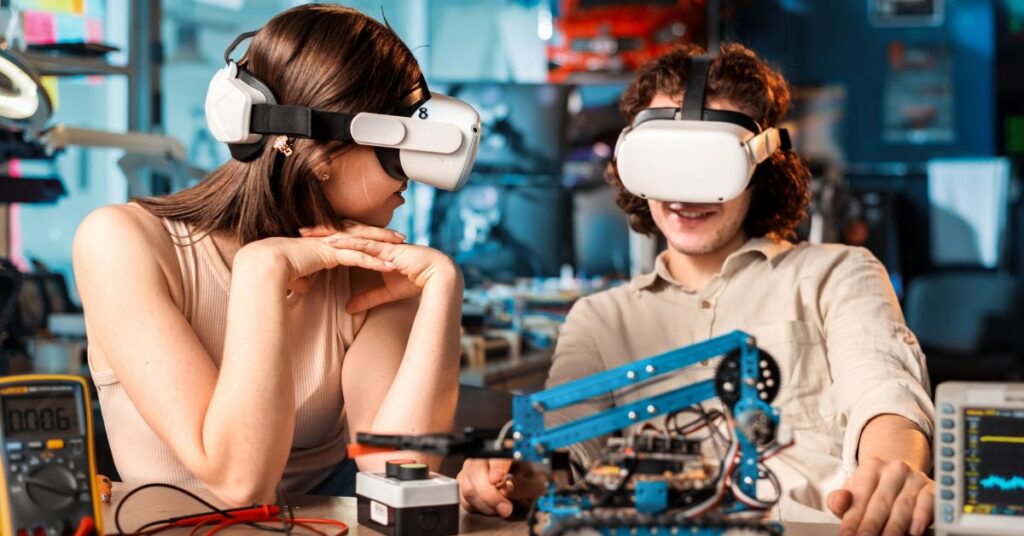
Manufacturers now design educational technology toys with built-in processors, voice recognition systems, motion sensors, and mobile app integration. Products such as LEGO Mindstorms and Sphero allow children to program movement patterns, test logic, and solve engineering challenges. These systems encourage experimentation and reinforce computational thinking from an early age.
The Evolution from Mechanical Toys to AI-Powered Play
The journey from wind-up mechanical toys to AI powered toys for children reflects the broader evolution of computing technology. Early toys relied on gears and springs. Later generations introduced battery-powered electronics. Today’s connected toys and IoT devices leverage wireless communication, cloud updates, and adaptive learning algorithms. Brands like VTech introduced interactive learning systems decades ago, but modern smart toys now integrate speech recognition similar to platforms such as Amazon Alexa.
This progression transformed play into a hybrid experience that blends physical interaction with digital intelligence. Augmented reality toys overlay digital content onto real-world objects, while robotics kits combine tangible building blocks with programmable software. Computing power has fundamentally reshaped how children explore, experiment, and engage.
Read for more info: https://technologycougar.com/law-concept-in-computing-technology/
Why Toys Technology Matters in Child Development
Toys technology plays a critical role in developing problem-solving skills, logical reasoning, and digital literacy. STEM toys and robotics kits encourage hands-on experimentation, which strengthens neural pathways associated with spatial awareness and analytical thinking. Coding toys for beginners introduce sequencing, loops, and conditional logic in playful formats. These experiences build foundational skills required in modern education systems.
Developmental psychologists emphasize the importance of interactive play in strengthening executive functioning and creativity. When children use platforms like the Osmo, they merge tactile play with digital feedback, enhancing retention and comprehension. Smart toys also provide adaptive challenges that maintain engagement by adjusting difficulty levels according to performance.
Core Categories of Toys Technology
STEM and Robotics Toys
STEM learning through robotics play remains one of the most impactful categories within toys technology. Robotics competitions for children and programmable kits encourage teamwork, engineering design, and algorithmic thinking. Products from Fisher-Price and advanced systems like LEGO Mindstorms provide age-appropriate pathways from simple assembly to advanced coding.
AI-Driven and Adaptive Learning Toys
AI voice recognition in toys enables interactive storytelling and personalized quizzes. Adaptive learning algorithms analyze response patterns and adjust instruction accordingly. These AI-powered systems accelerate skill acquisition while preventing frustration through balanced challenge levels.
Augmented Reality and Immersive Play
Augmented reality toys for kids merge physical objects with digital overlays through tablet or smartphone interfaces. This immersive format enhances spatial reasoning and narrative engagement while keeping children physically involved in the learning process.
Connected and IoT-Enabled Toys
Connected toys and IoT devices communicate through Wi-Fi or Bluetooth to update content, sync progress, and enable multiplayer collaboration. However, IoT security risks in children’s products require strict design safeguards, including encrypted data transmission and firmware integrity verification.
Safety, Privacy & Regulatory Considerations
Child Data Privacy Regulations
Child data privacy in smart toys remains a major concern for parents and educators. In the United States, the Children’s Online Privacy Protection Act mandates parental consent before collecting data from children under 13. In Europe, the General Data Protection Regulation enforces strict data minimization and transparency standards. Manufacturers must clearly disclose what information they collect and how they process it.
Cybersecurity Risks in Smart Toys
Smart toy cybersecurity audits often reveal vulnerabilities such as unsecured Bluetooth channels or weak password protections. Developers must implement secure-by-design principles, including encrypted communication protocols and automatic security updates. Responsible innovation requires rigorous testing before products reach the market.
Ethical AI in Children’s Technology
Ethical AI design in toys technology demands algorithmic transparency and bias testing. Designers must prevent manipulative engagement tactics and excessive screen-time dependency. Responsible development prioritizes educational outcomes over addictive mechanics.
The Business & Innovation Landscape
Market Growth Trends in Toys Technology
Global demand for educational technology toys continues to expand as parents prioritize STEM readiness. Investors channel funding into EdTech startups that combine robotics, AI, and cloud computing. Subscription-based learning ecosystems now complement physical toys with digital platforms that provide ongoing content updates.
Integration of AI, Robotics & Cloud Computing
Embedded processors allow toys to process data locally, while cloud connectivity enhances adaptive learning. AI voice recognition in toys improves speech interaction accuracy. Edge computing reduces latency and strengthens privacy protections by processing sensitive data on-device.
Sustainability and Eco-Conscious Tech Toys
Manufacturers increasingly adopt recyclable materials and energy-efficient components. Long-life firmware support extends product usability and reduces electronic waste. Sustainable innovation strengthens consumer trust and brand reputation.
Educational Impact & Measurable Outcomes
Research on STEM Learning Effectiveness
Empirical research shows that structured robotics programs improve coding literacy and logical reasoning. Interactive platforms reinforce retention through experiential learning. Educators observe measurable improvements in collaboration and critical thinking when integrating robotics into curricula.
Classroom Integration Strategies
Teachers incorporate STEM toys and robotics kits into project-based learning modules. They align robotics challenges with math and science standards, ensuring academic relevance. Educators also use augmented reality toys to visualize complex scientific concepts.
Home Learning Ecosystems
Parents combine smart toys with structured educational goals. They monitor progress dashboards and balance screen-free tech toys with interactive digital tools to create well-rounded learning environments.

Interactive Learning Effectiveness Index (ILEI)
| Evaluation Pillar | Measurement Criteria | Basic | Developmental | Advanced | Transformative |
| Cognitive Engagement | Attention span and interaction depth | Short-term engagement | Consistent interaction | Problem-solving focus | Independent exploration |
| Skill Acquisition Velocity | Speed of concept mastery | Slow progression | Moderate improvement | Rapid comprehension | Accelerated mastery |
| Retention Measurement | Long-term recall | Minimal retention | Partial recall | Strong retention | Applied knowledge transfer |
| Creativity Stimulation | Original idea generation | Limited creativity | Guided creativity | Independent design | Innovative experimentation |
| Parental Involvement | Active supervision and feedback | Minimal guidance | Occasional support | Structured participation | Collaborative learning |
This framework allows educators and parents to evaluate toys technology objectively and compare learning outcomes across categories.
FAQs
Are smart toys safe for children?
Smart toys are safe when manufacturers follow encryption standards, implement secure firmware updates, and comply with child data privacy regulations such as COPPA and GDPR. Parents should review privacy policies before purchase.
Do technology toys improve academic performance?
Technology toys enhance cognitive development, coding literacy, and logical reasoning when integrated with structured learning objectives. They support but do not replace traditional educational methods.
What age is appropriate for robotics kits?
Many robotics kits offer tiered difficulty levels. Beginners can start with simplified programmable sets around age six, while advanced kits suit older children and teenagers.
How can parents balance screen time with smart toys?
Parents should combine interactive digital toys with physical play and screen-free tech toys to ensure balanced development.
Conclusion
Toys technology reshapes childhood learning by merging play with computational intelligence, robotics, and adaptive systems. Smart toys and interactive learning platforms build essential STEM skills while fostering creativity and collaboration. However, responsible adoption requires attention to cybersecurity, data privacy, and ethical AI design. When parents, educators, and manufacturers prioritize safety and measurable educational value, technology toys for kids become powerful tools that prepare children for a digitally driven future.
