


Museums no longer operate as quiet, static spaces filled only with artifacts behind glass. Today, they function as dynamic, interactive environments where technology transforms how visitors learn, explore, and engage. Museum technology continues to evolve rapidly, driven by digital expectations, global accessibility needs, and the growing importance of preserving cultural heritage in digital formats. In this guide, I explain how modern technologies reshape museums, enhance visitor experiences, and redefine the future of cultural institutions.
Understanding Museum Technology in the Modern Era
What Is Museum Technology?
Museum technology refers to the integration of digital tools such as augmented reality, virtual reality, artificial intelligence, and data analytics into museum operations and exhibitions. These technologies allow museums to present information in immersive, interactive ways rather than relying solely on traditional displays. Institutions like the Smithsonian Institution actively invest in digital transformation to expand access and improve engagement across global audiences.
Why Museum Technology Matters Today
Modern audiences expect more than passive observation. Visitors want interactive storytelling, personalized experiences, and digital accessibility. Technology allows museums to meet these expectations while also preserving fragile artifacts through digitization. It also enables remote access, allowing global audiences to explore collections without physical travel.
Read for more info: https://technologycougar.com/centralsquare-technologies-accounting-operations-associate-salary/
Key Drivers of Museum Innovation
Several factors accelerate the adoption of technology in museums:
• Increasing demand for immersive and interactive experiences
• Need for digital preservation of aging artifacts
• Competition with other entertainment and educational platforms
• Expansion of global, online audiences
These drivers push institutions to innovate continuously.
Latest Trends in Museum Technology News
Augmented Reality and Virtual Reality Experiences
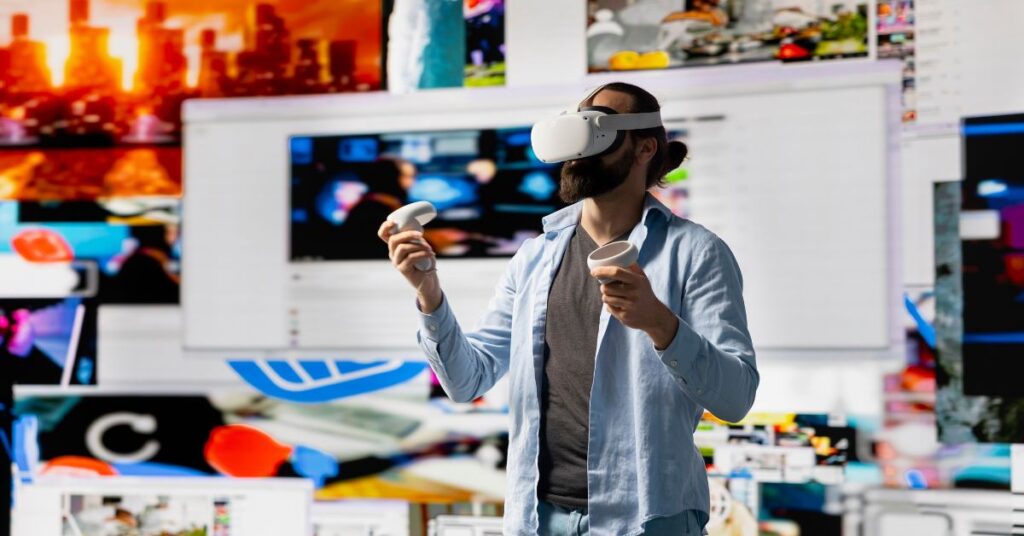
Augmented and virtual reality technologies transform storytelling by overlaying digital content onto physical exhibits. Visitors can view historical reconstructions, explore ancient environments, and interact with 3D models. Museums such as the British Museum experiment with immersive digital storytelling to bring history to life in ways traditional exhibits cannot achieve.
AI and Smart Museum Systems
Artificial intelligence powers personalized museum tours and smart guides. AI systems analyze visitor preferences and recommend exhibits tailored to individual interests. Chatbots assist visitors in real time, while predictive analytics help museums manage crowd flow and optimize exhibit placement.
Digitization and 3D Preservation
Digitization allows museums to preserve artifacts digitally using 3D scanning technologies. This process protects fragile items while making them accessible to researchers and the public. Digital archives also support educational initiatives and global collaboration.
Contactless and Smart Visitor Systems
Museums increasingly adopt contactless technologies such as mobile ticketing, QR-based guides, and IoT-enabled tracking systems. These solutions improve efficiency, reduce wait times, and enhance overall visitor convenience.
Core Technologies Transforming Museums
Interactive Displays and Touch Technologies
Interactive kiosks and touchscreens provide deeper engagement by allowing visitors to explore layered information. These tools turn passive viewers into active participants.
Mobile Applications and Digital Guides
Mobile apps deliver personalized content, audio guides, and multilingual support. Visitors navigate exhibitions more easily and access additional context through their devices.
Data Analytics and Visitor Insights
Museums use data analytics to understand visitor behavior, track engagement, and optimize exhibit layouts. Institutions like the The Metropolitan Museum of Art analyze visitor patterns to improve exhibition design and maximize engagement.
Cloud-Based Collection Management
Cloud systems store and organize digital collections efficiently. Curators access, update, and share information seamlessly across departments and institutions.
Impact of Technology on Visitor Experience
Personalized Museum Journeys
Technology allows museums to tailor experiences to individual visitors. AI-driven recommendations guide users through exhibits that match their interests, increasing satisfaction and engagement.
Immersive Storytelling Techniques
Digital storytelling enhances emotional connection by combining visuals, audio, and interactive elements. Visitors experience history rather than simply reading about it.
Accessibility and Inclusivity Enhancements
Technology improves accessibility by offering audio descriptions, subtitles, language translation, and remote virtual tours. These features ensure inclusivity for diverse audiences.
Challenges and Ethical Considerations
Data Privacy and Security
Museums collect visitor data through apps and tracking systems. Institutions must implement strong cybersecurity measures to protect this information and maintain trust.
Balancing Technology with Authentic Experience
Excessive reliance on technology can overshadow the authenticity of physical artifacts. Museums must strike a balance between digital enhancement and traditional presentation.
Budget and Infrastructure Constraints
Smaller museums often face financial limitations that restrict technology adoption. Strategic planning and partnerships can help overcome these challenges.
Museum Technology Advancement Index (MTAI)
To measure digital maturity, I introduce the Museum Technology Advancement Index, a structured framework that evaluates how effectively a museum integrates technology.
Level | Infrastructure Readiness | Visitor Engagement | Digitization Level | Data Usage | Staff Competency
Traditional | Minimal digital infrastructure | Static exhibits | No digitization | No analytics | Limited technical skills
Digitally Assisted | Basic systems and screens | Some interactive displays | Partial digitization | Basic tracking | Basic training
Interactive | Integrated digital tools | High engagement features | Significant digitization | Moderate analytics use | Skilled staff
Smart Museum | Advanced systems and automation | Personalized experiences | Extensive digital archives | Advanced analytics | Highly trained teams
Fully Immersive | Fully integrated ecosystems | Fully immersive environments | Complete digitization | Real-time insights | Expert-level competency
Museums can use this model to assess their current position and plan future improvements.

Case Study: Interactive Museum Transformation
A mid-sized museum transitioned from static exhibits to an interactive model by integrating augmented reality and a mobile app. Before implementation, visitor engagement remained low, with average visit duration under one hour. After introducing AR-guided tours and interactive displays, dwell time increased by 40 percent, and visitor satisfaction scores improved significantly. Feedback revealed that immersive storytelling and personalized experiences drove this transformation.
Visitor Engagement Analytics Framework
Museums now rely on measurable metrics to evaluate success. Key performance indicators include visitor movement heatmaps, time spent at exhibits, and interaction frequency. These insights help curators refine exhibit design and improve overall experience quality.
Digital Preservation Strategy Blueprint
Museums adopt structured workflows for digital preservation:
• 3D scanning of artifacts for accurate replication
• Metadata tagging for efficient cataloging
• Cloud storage for long-term accessibility
• Backup systems to prevent data loss
This approach ensures that cultural heritage remains protected for future generations.
Frequently Asked Questions
What is the most important technology in modern museums?
No single technology dominates. However, AR, VR, and data analytics currently play the most significant roles in enhancing visitor engagement and operational efficiency.
Are digital museums replacing physical museums?
No. Digital tools complement physical spaces by enhancing accessibility and interaction rather than replacing traditional experiences.
How do museums fund technology upgrades?
Museums use grants, government funding, private sponsorships, and partnerships with technology companies to finance digital transformation.
Is museum technology suitable for small institutions?
Yes. Small museums can start with low-cost solutions such as mobile guides and basic digitization before scaling.
Conclusion
Museum technology continues to redefine how cultural institutions operate and engage audiences. By integrating digital tools thoughtfully, museums enhance storytelling, improve accessibility, and preserve history more effectively. The future of museums lies in balancing innovation with authenticity, ensuring that technology enriches rather than replaces the cultural experience. Institutions that adopt structured frameworks, invest in training, and prioritize visitor engagement will lead the next generation of immersive, intelligent museum experiences.
